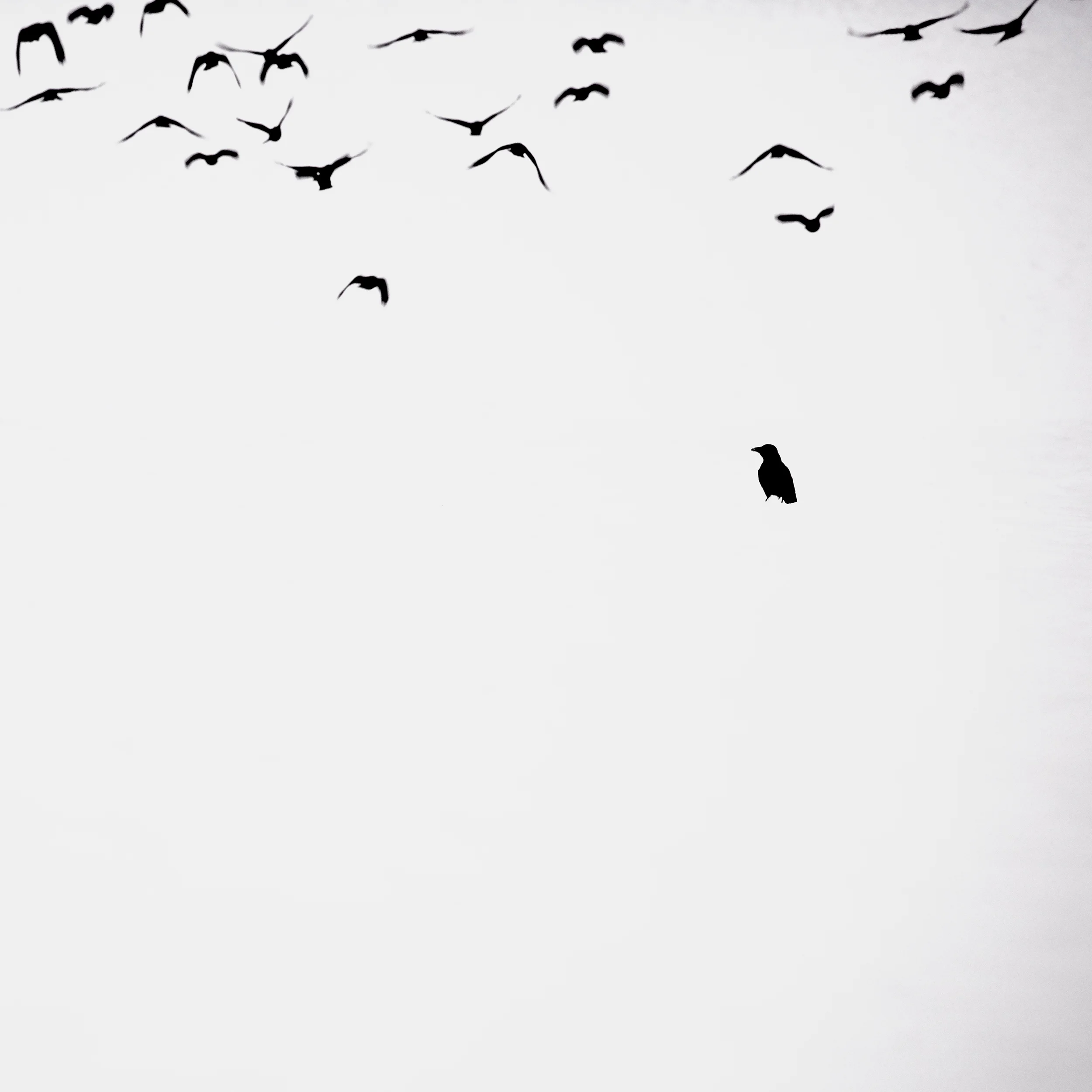
Note on process
Every photographic series I make stems from personal experience. Sometimes it's a feeling, other times a recurring detail. I never begin with images—they arise from thought.
Once I know the main idea, I start with words. I look up key terms, then dig into books, museum collections, and newspaper archives. I want to see how others have described the idea. Then I wait and let the idea grow in the background while I attend to other tasks.
Not every idea becomes a series. I follow only ideas I know I can finish. Research sometimes shifts my direction or makes me abandon a concept. Failure fuels my creativity. When doubt arises, I return to research, probing questions about the subject. Hearing others' perspectives often clarifies my own.
I take a few photos. Most work happens before pressing the shutter. I visualise the image, study the light, and observe the environment. When the moment arrives, I take one or two photographs—rarely more.
When I photograph outdoors, I do not just wander. I return to the same place many times to see how the light changes. I watch how objects move, reflect, or stay still. In the studio, I build each scene from the ground up. Nothing happens by accident. I place everything with care.
Most of my editing happens in-camera. My process is straightforward and deliberate. My editing style stays consistent, as I shoot with the final edit in mind.
When a series is finished, I write a short piece to go with it—just a few lines. Enough to offer an entry, never an answer. The photographs do not need explanation. They need attention. Once a project is finished, I do not return to it. The thinking is done. I do not revisit it once it has found its form.
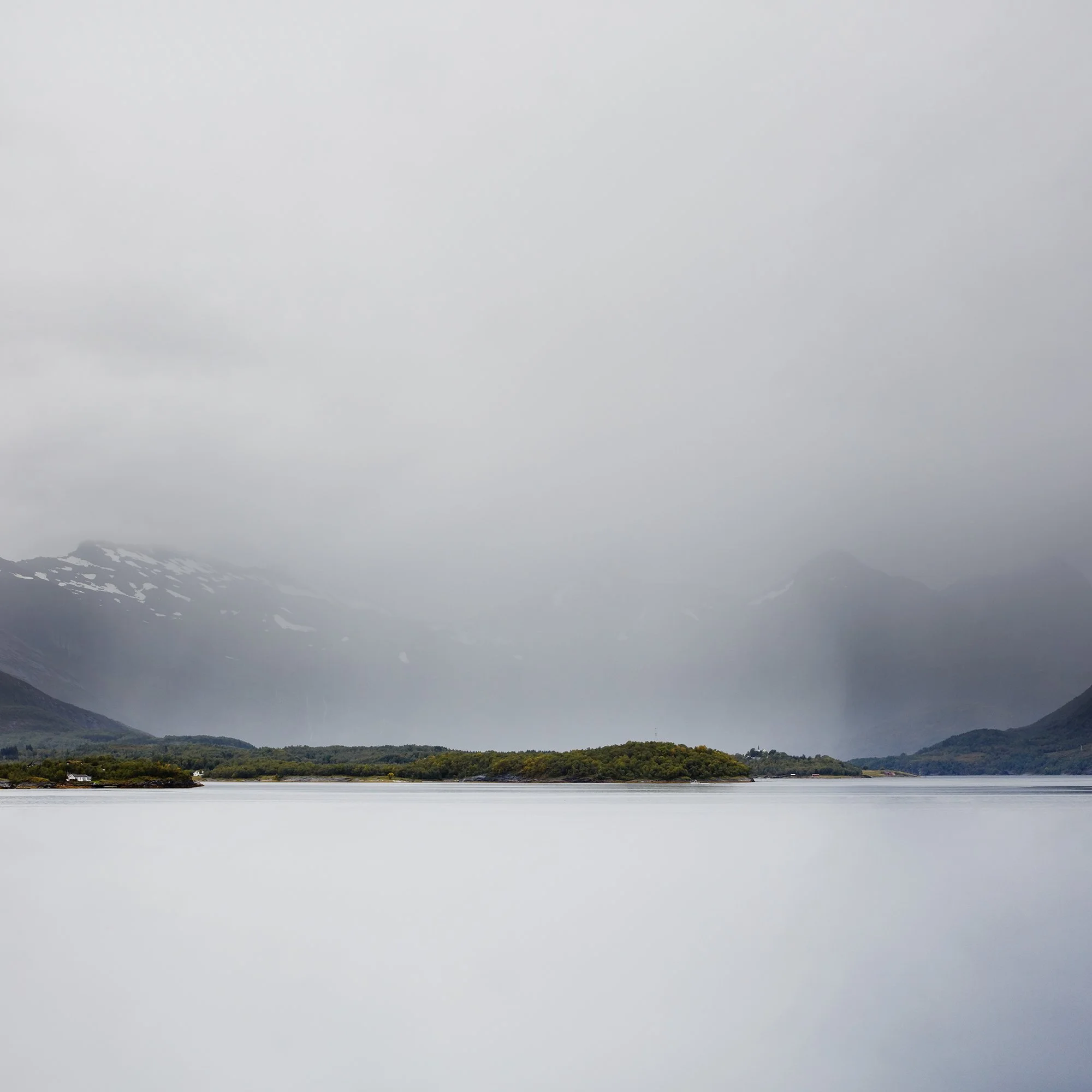
Sometimes, I surrender control, taking the camera out without a plan. Even then, I quickly discern if a scene is worth capturing. I have trained myself to observe and to wait.
Patience, for me, equals attention. It requires noticing, waiting, and allowing ideas to surface—never forcing them to come to the surface. Some photos are taken quickly, but their groundwork is always slow.
Patience begins at home. I train my eyes in familiar places—my house, my town, landscapes I frequent. This practice sharpens my attention, preparing me to spot moments in unfamiliar locations.
What makes an image meaningful is not how much it says, but how deeply it is received. I remember a woman who looked at my Through the Norwegian Air series and told me she felt she could walk into the image. There was room for her there. This was exactly the feeling I was trying to capture.