
The Dictionary of Arctic Homes and Shelters
Shelter comes from Old English scyldtruma (“shield-troop”) meaning “shield formation.” In the Arctic, shelter means more than protection; it’s more like an integration with the environment. Life here depends on adapting to uncontrollable forces: changing weather, the polar day-night cycle, and harsh landscapes. Survival comes from merging with, not resisting, nature. Shelter is rooted in local knowledge, tradition, and adaptation—a harmony with the weather, land, and seasonal rhythms.
This project examines the contemporary meanings of home and shelter in the Arctic, as climate, politics, and traditions evolve. I want to understand what keeps us safe when the environment requires all our focus to get by. Sometimes, the harshness itself becomes what makes us feel at home. I will visit different locations in the Arctic and examine them to see what makes up not only the physical homes and shelters but also our sense of belonging and connection.

I will investigate each place from two perspectives. First, I will provide a visual documentation of homes and shelters, including the voices of scientists and locals. Second, I will offer a close, detailed examination of the daily rituals and textures that shape Arctic homes. The documentary side will focus on factual accounts, portraying how houses and ways of living are under threat and how they exist within the Arctic landscapes. The other side will use sound, conversations, and abstract images to evoke a sense of closeness. I aim to organise these elements to build a shared language for understanding home and shelter here.
This project is also personal. When I came north, I brought with me what it means to be a Polish woman—caretaker, moral anchor, always expected to do everything for others. There is both strength and confinement in this. Where I grew up, shelter meant responsibility and feeling small. Here in the Arctic, I feel small for different reasons: the mountains, the sea, and the weather do not care about human problems. My first sense of home was by the ocean, where I breathed in the scent of algae, salt, and cold. The land and weather let me disappear. Invisibility here becomes shelter—a place where I can just be.
The Arctic strips away what is not essential, exposing the core meaning of shelter and belonging. Here, the environment forces honesty about what ‘home’ means. As old and new ways coexist and change due to climate, globalisation, and politics, the definition of home shifts. This work documents the changes in Arctic homes and shelters, preserving what is lost and what remains, as belonging itself is redefined by environmental transformation.
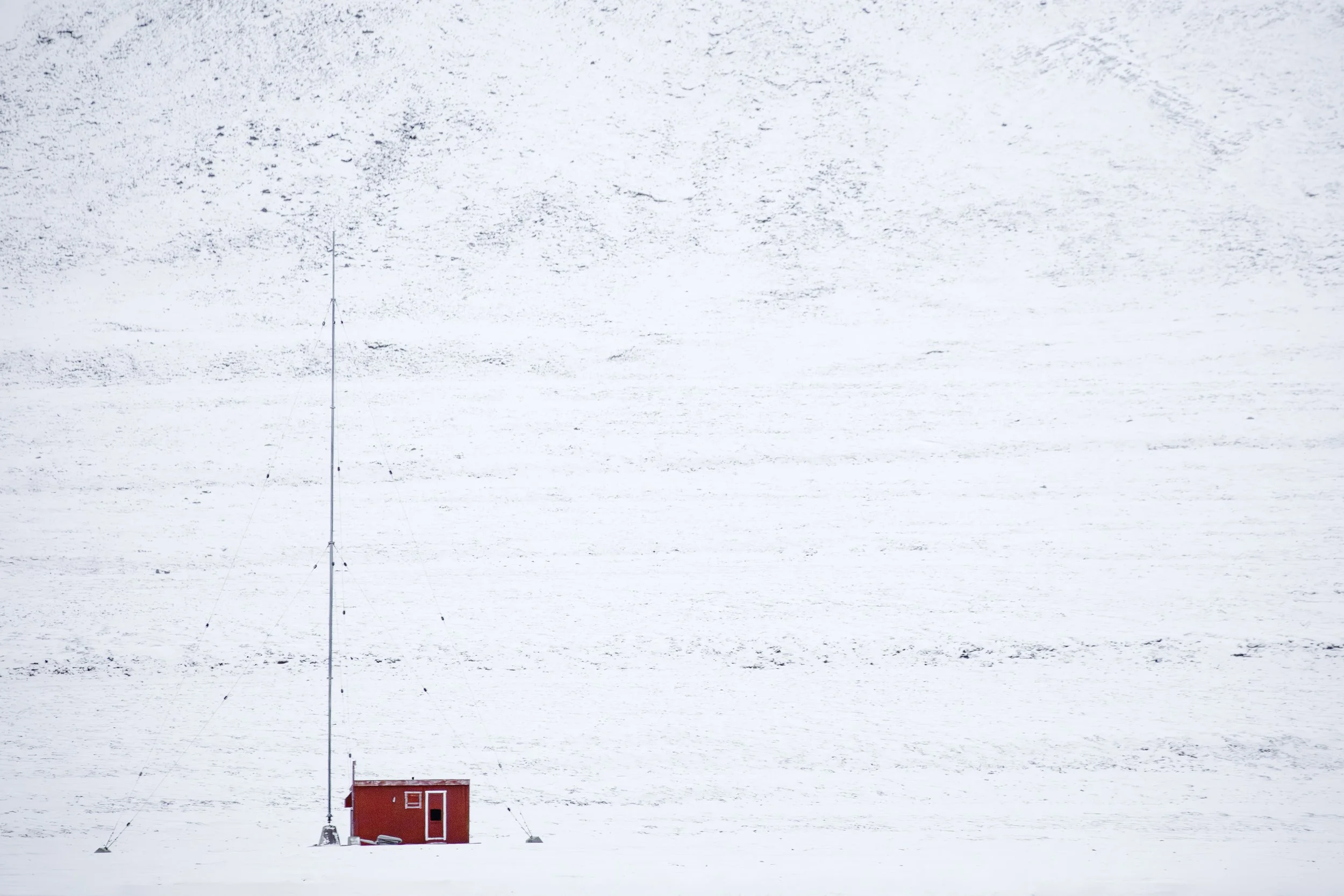
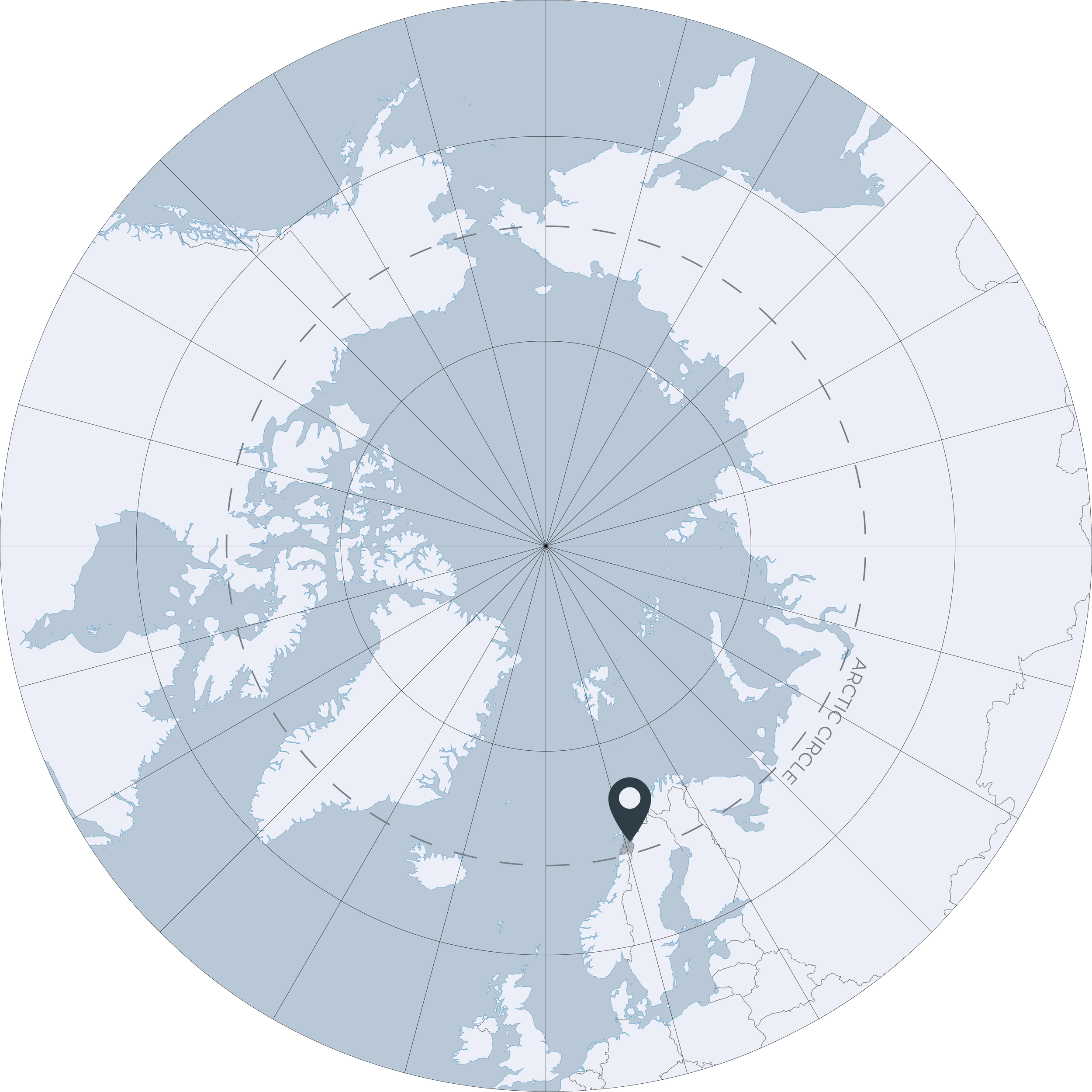
This is an ongoing project, and the website is continuously updated with new locations, photos, and text.
Right now, I am working on documenting the Salten Region in Norway.
-
The Arctic is the northernmost region of the Earth, surrounding the North Pole. It is most commonly defined as the area within the Arctic Circle, which lies at approximately 66.5° north of the Equator. Scientists also use other definitions to describe this region, such as the 10°C July isotherm line, which marks the area where the average temperature in the warmest month, July, remains below 10°C (50°F). Another standard definition is based on the Arctic tree line, which represents the northernmost latitude in the Northern Hemisphere where trees can grow. Beyond this point, the climate is too cold throughout the year to support tree growth (Arctic Portal, n.d.).
The Arctic States — Canada, the Kingdom of Denmark (including Greenland and the Faroe Islands), Finland, Iceland, Norway, Russia, Sweden, and the United States — each have territories within the Arctic and therefore serve as stewards of the region. Their national jurisdictions, along with international law, govern the lands and waters in the region.
Today, nearly four million people reside in the Arctic, comprising Indigenous Peoples, newcomers, hunters, herders, and urban residents. About 10 per cent of the population is Indigenous, with many groups unique to the Arctic. These communities continue their traditional ways of life, even as the world around them changes. However, as the Arctic environment changes, so do the livelihoods, cultures, traditions, languages, and identities of its people (Arctic Council, n.d.).
-
-
I invite Arctic communities, researchers, and local organisations to connect and participate in The Dictionary of Arctic Homes and Shelters. If you are interested in sharing how your daily life reflects adaptation, tradition, or change in relation to the environment, please contact me to discuss a potential visit. I prioritise dialogue, collaboration, and consent in storytelling. If your community would like to contribute by sharing your perspective on home and shelter in the Arctic, please reach out—I would be honoured to learn from you and include your voice in this work.
-
Arctic Council, not dated. Arctic Peoples. https://arctic-council.org/explore/topics/arctic-peoples/
Arctic Portal, not dated. Arctic definitions. https://arcticportal.org/education/quick-facts/the-arctic/3448-arctic-definitions
Holberg, E. (2021). Norrøn ekspansjon og samisk motmakt i Sør-Salten ca. 900-1350. Norwegian Archaeological Review, 54(3), 207-228.
Olesen, O., Kierulf, H. P., Brönner, M., Dalsegg, E., Fredin, O., & Solbakk, T. (2013). Deep weathering, neotectonics and strandflat formation in Nordland, northern Norway. Norwegian Journal of Geology, 93(3), 189-213.

Salten Region, Norway
Salten lies in Nordland County in Northern Norway, just above the Arctic Circle. It includes municipalities of Bodø, Gildeskål, Beiarn, Saltdal, Fauske, Sørfold, Steigen and Hamarøy. The region has a varied landscape of fjords, mountains, and coastal lowlands, formed by glaciation, deep weathering and neotectonic processes (Olesen et al., 2013). Along the coast, the land is flat and open, with rock showing through where the sea and earth have worked together for a long time (Olesen et al., 2013).
People in Salten have always had to adapt to the land and weather. Norse settlers moved into southern Salten around 900-1350 AD, highlighting how settlement and resource use shifted in relation to Sámi territories and outfields in the region (Holberg, 2021).
For me, Salten is not only the starting point of this project—it has been my home since 2020. It is the first place where I felt a sense of belonging. Where I once carried the identity of a Polish woman as caretaker and moral anchor, in Salten I found a place where invisibility became shelter—allowing me simply to be.
Here, homes and shelters are not just buildings—they are answers to the land, the weather, and local knowledge. Houses fit under cliffs, next to fjords, and endure snow and wind. Home is about alignment with the land. The open ground shows its layers and how people have lived with its changes.
Salten is the heart of what I want to explore in The Dictionary of Arctic Homes and Shelters. Here, nature is not just a background. It is present in every part of life. I bring together my photos, research, and my own time living here to try to understand what home and shelter really mean in this place I now call home.
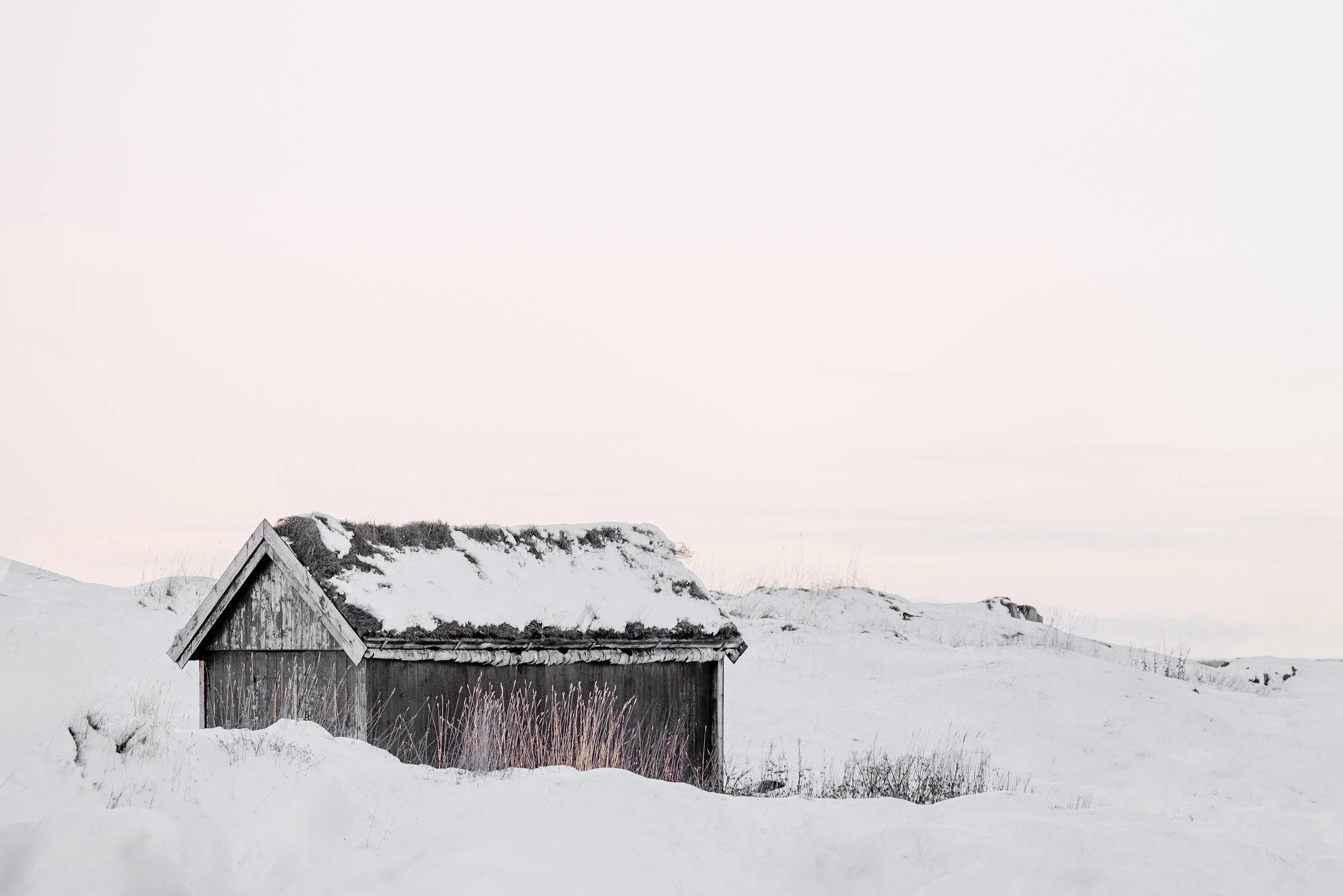
Bodø, Norway - The historic stall at Nordlandsmuseet, buried in Arctic snow. Even the simplest shelter must endure a winter that tries to hide everything it covers.
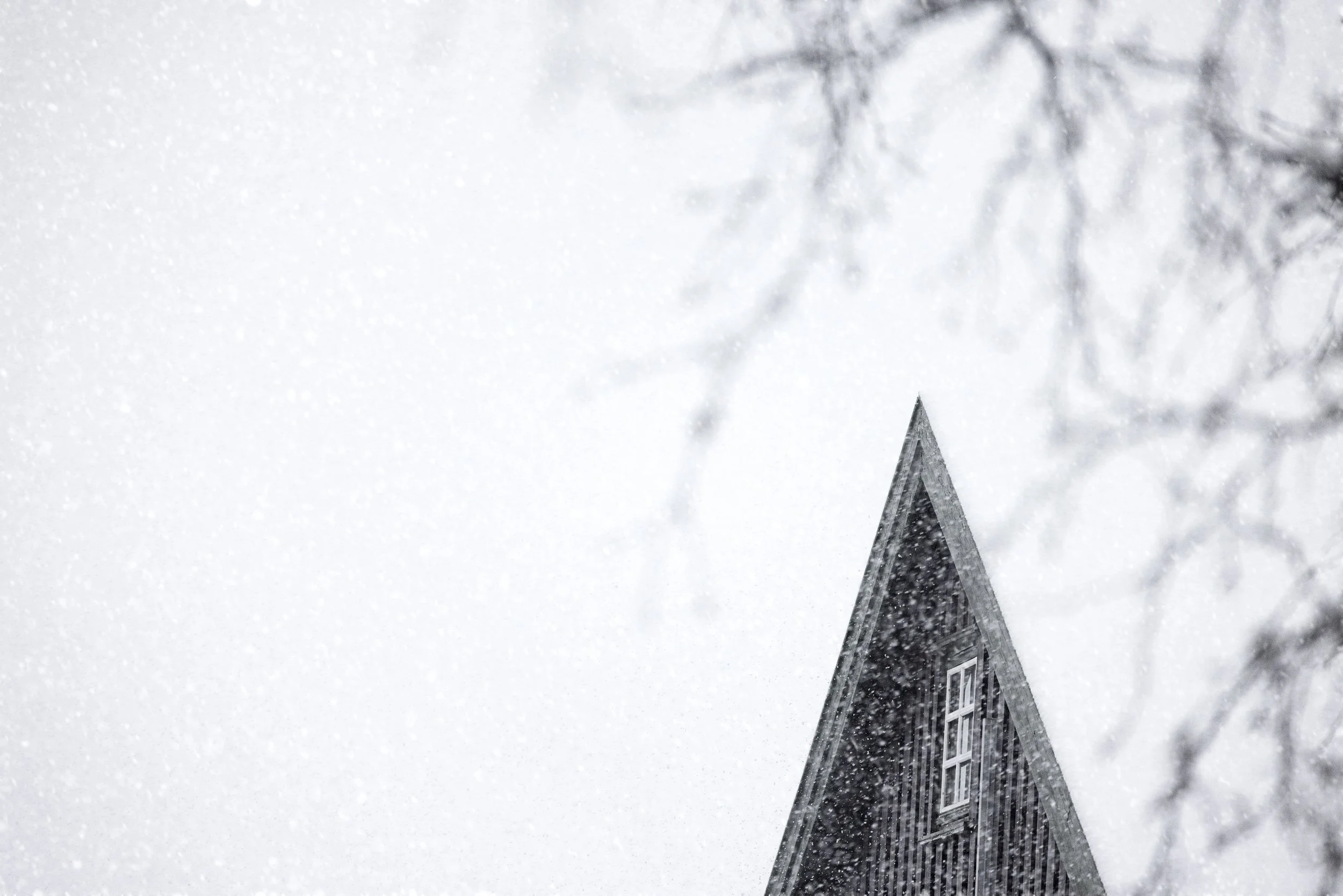
Bodø, Norway - A polar low is a small but intense Arctic storm system, capable of dropping enormous amounts of snow in a short time. The house absorbs the impact, becoming shelter not by strength, but by presence.
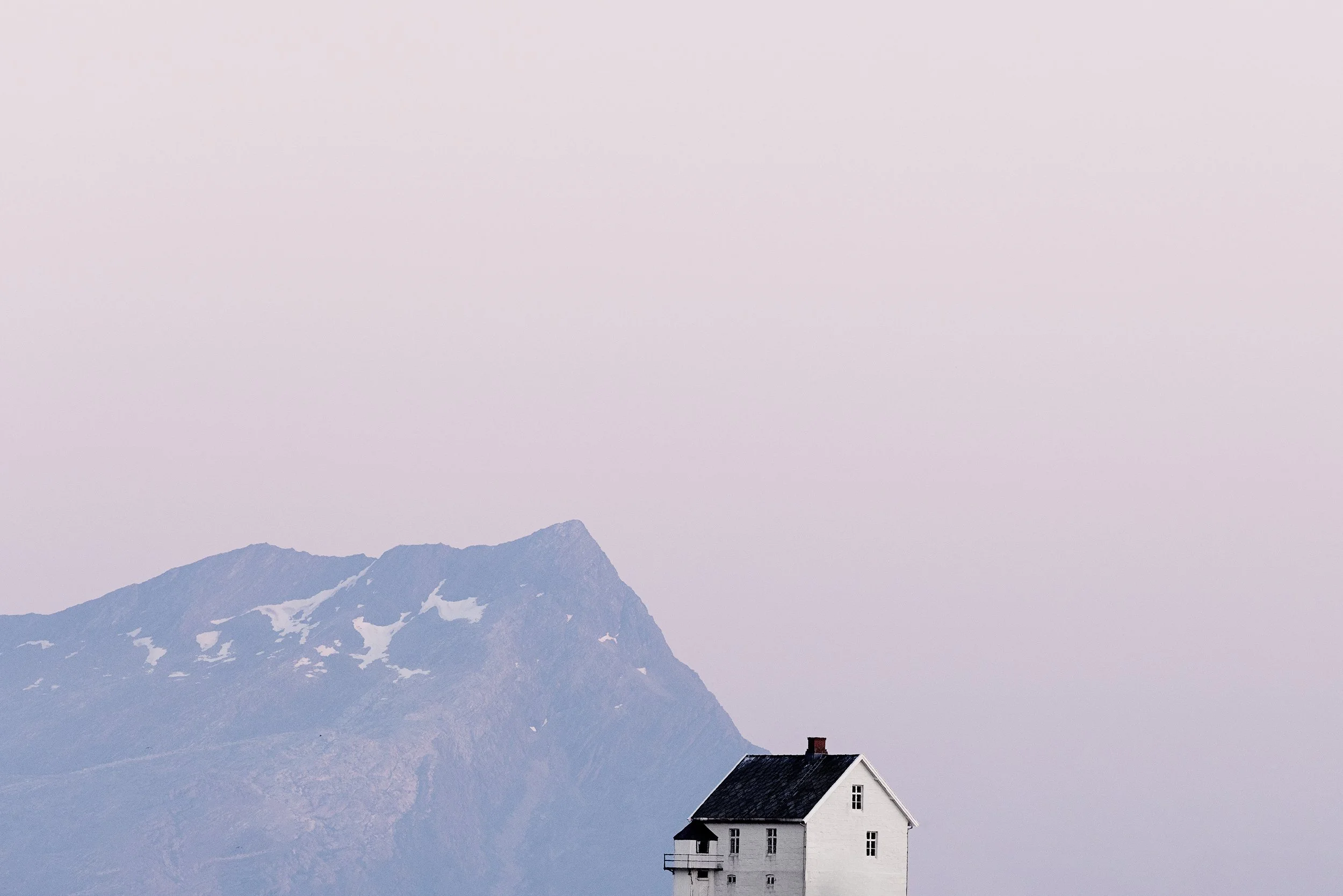
Nyholmen, Norway - During the midnight sun, the low-angle sunlight passes through more atmosphere, scattering blue light and leaving strong reds and soft pastels. In this long Arctic twilight, even a small house becomes an anchor under a sky that never fully grows dark.
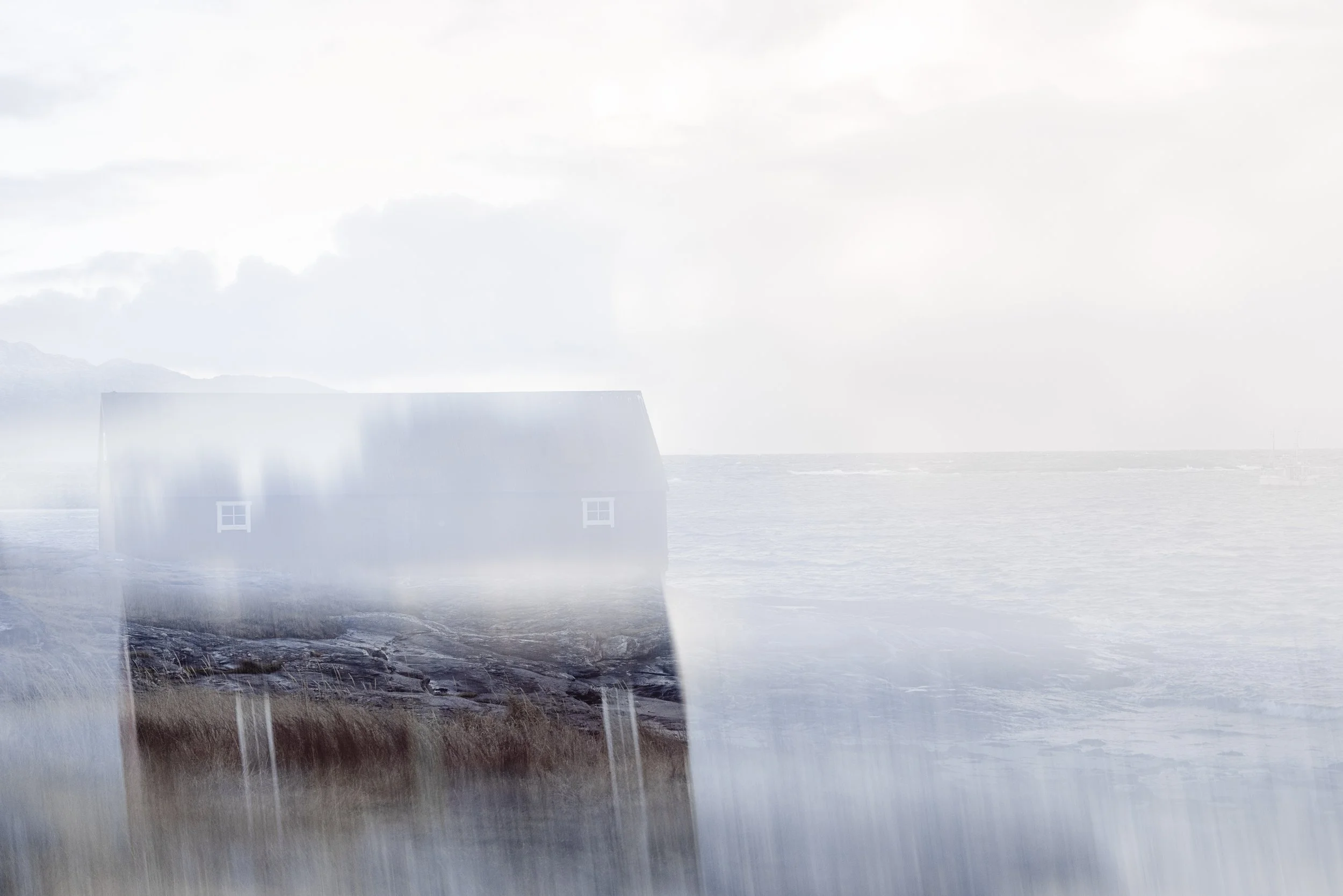
Mjelle, Norway - During an autumn storm, sea spray fills the air so thickly that you can barely see. The nearest house turns into a faint mirage in the salt and wind.
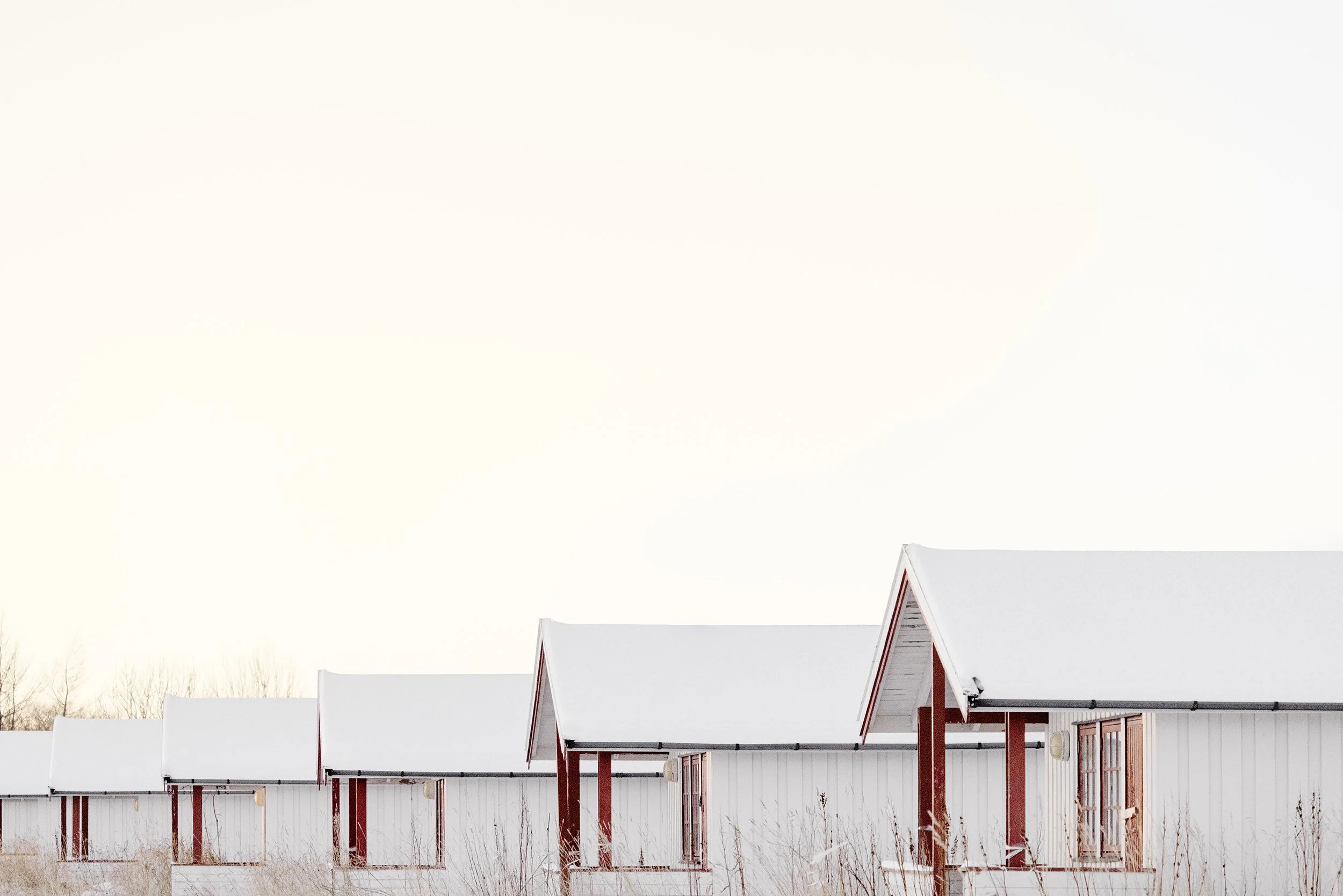
Bodø, Norway - Small camping cabins on a closed-down campsite in Bodø — shelters waiting without purpose, caught between past use and an uncertain future.
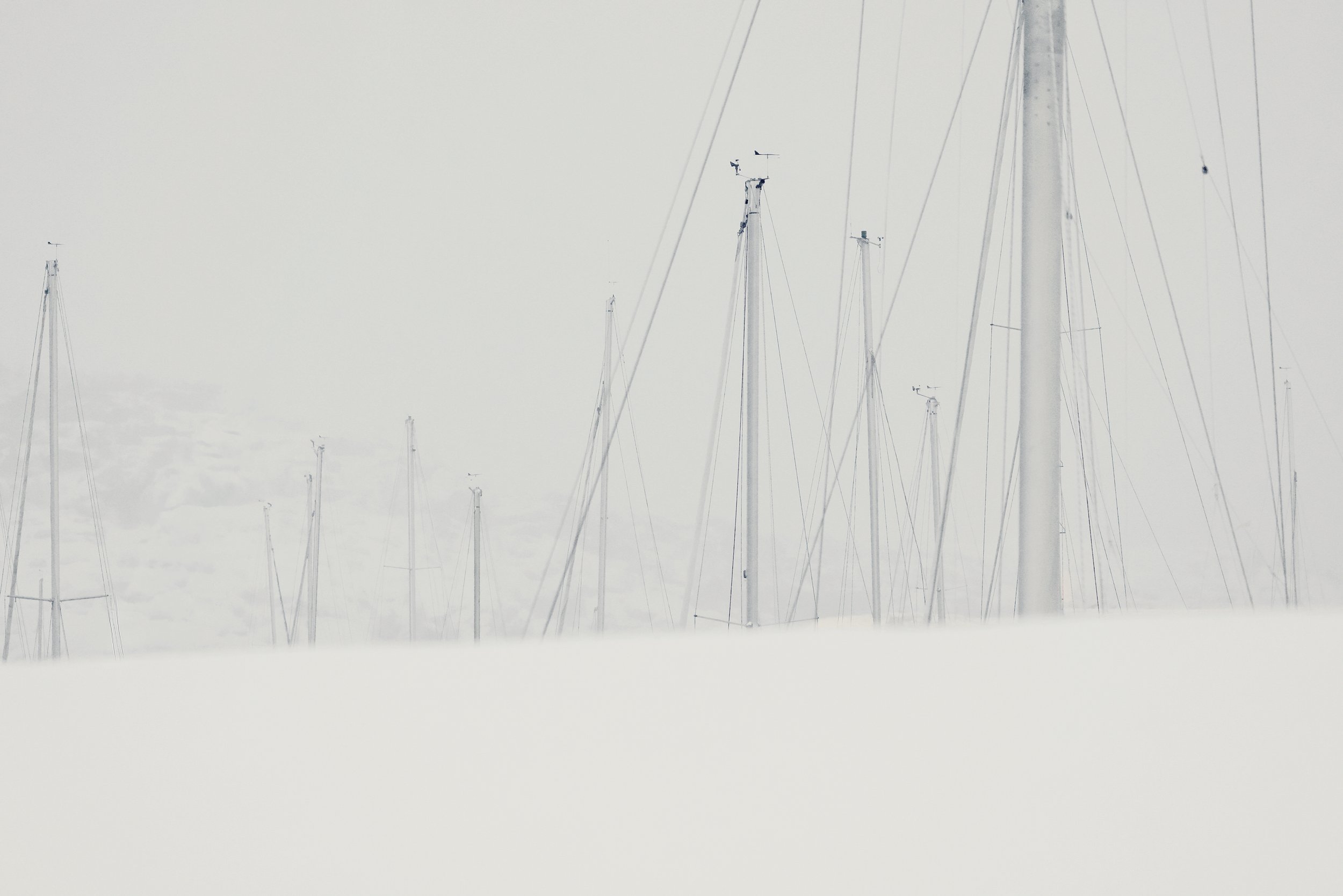
Bodø, Norway - A polar low buried thr harbour in snow, reducing it to a forrest of sailboat masts.