
Quiet resistance
In a culture saturated with fast, loud, and attention-grabbing images, subtlety becomes a form of rebellion. To photograph quietly — to resist the demand to explain, overwhelm, or entertain — is to engage in what could be called quiet resistance.

Quiet resistance is not passive. It is not a withdrawal but a deliberate act: it invites meaning rather than prescribing it. In photography, this often means stepping away from literal representations and toward symbolism, open space, and emotional suggestion. It allows images to ask rather than answer.
This resistance can take many forms. It might look like choosing softness, whereas others select contrast, using light rather than darkness to express something as complex as emotional fog or ache. A hand barely emerging from white bedsheets may carry more weight than a face contorted in pain. By avoiding the expected visual language, the image leaves space for the viewer to enter, project, and wonder.

Subverting convention is part of the work. In genres like environmental photography, the formula often pairs natural beauty with visible threats: a polluted river, a plastic bag caught in branches, or a clear-cut forest. But what happens when the problem dominates the frame — when plastic becomes the environment, and the timber flickers only through narrow gaps? The natural world becomes what we struggle to see, not what's being interrupted. The discomfort is quieter but also more lingering.
Removing visual clues, identifiers, or distractions is not an aesthetic decision alone—it is conceptual. It invites the viewer to shift from recognition to sensation, from description to emotion. When a familiar object is re-framed, its symbolic weight changes. Its meaning expands beyond its function. In that space, something subtle happens: viewers no longer see the object as it is but what it meant then, in the context.
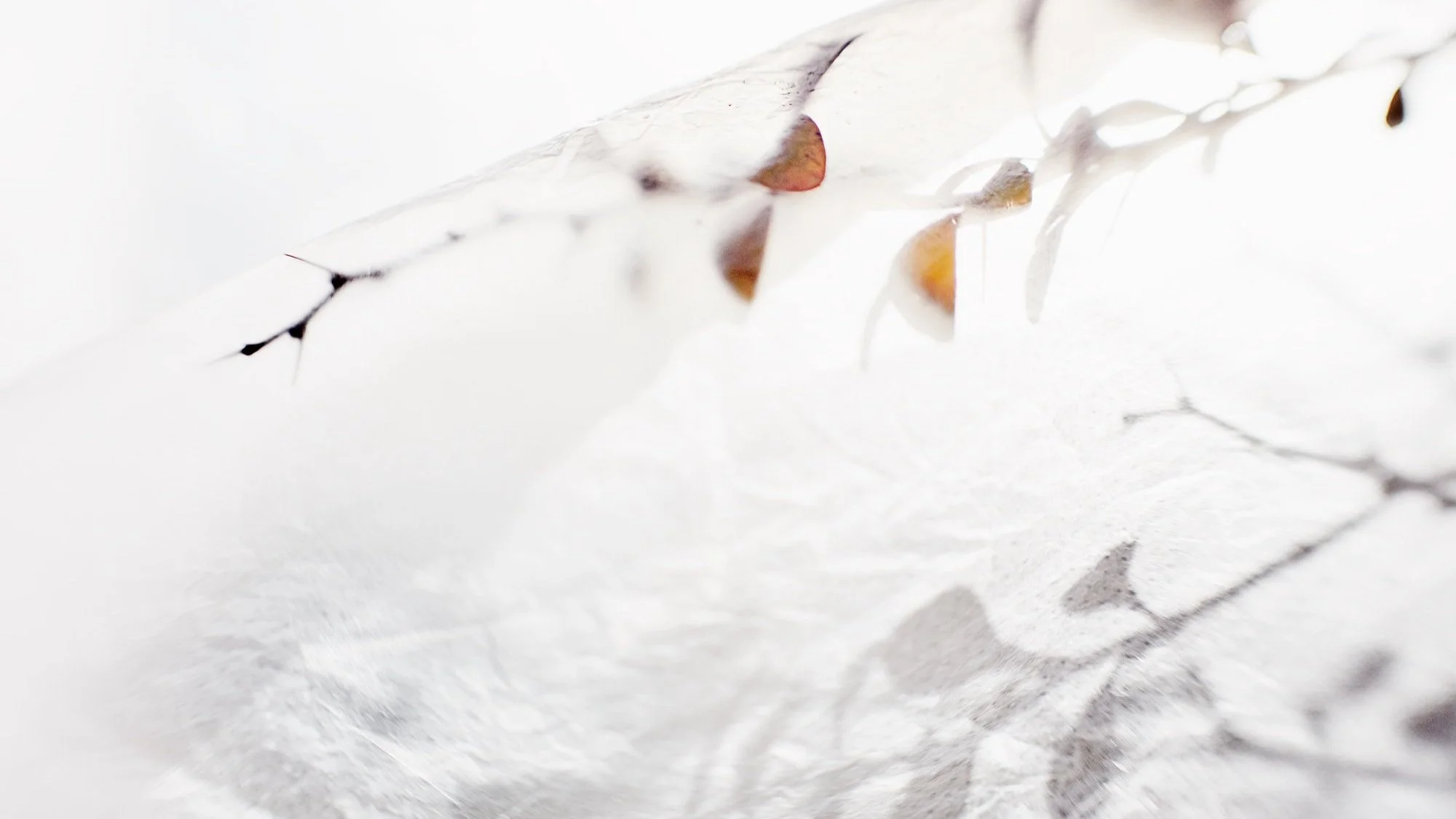
To photograph with restraint is to challenge the demand for resolution. It is to say that some experiences, emotions, or truths can't be reduced to symbols, slogans, or spectacles—not because they are unclear but because they are layered, and layers require space.
Quiet resistance is a way of creating that space, not just visually but emotionally. It doesn't ask the viewer to admire but to pause, return, and notice. It invites a deeper kind of seeing that makes room for one's experiences, questions, and uncertainties.
Do you enjoy reading about photography?
Sign up for the newsletter to receive monthly curated reading lists, new images, quiet notes on image-making, and website updates.
